- TEXAS FLOOD DAMAGE INSURANCE CLAIMS
Water Damage Insurance Claims in Texas
- The Damage You See May Only Be Part of the Loss.
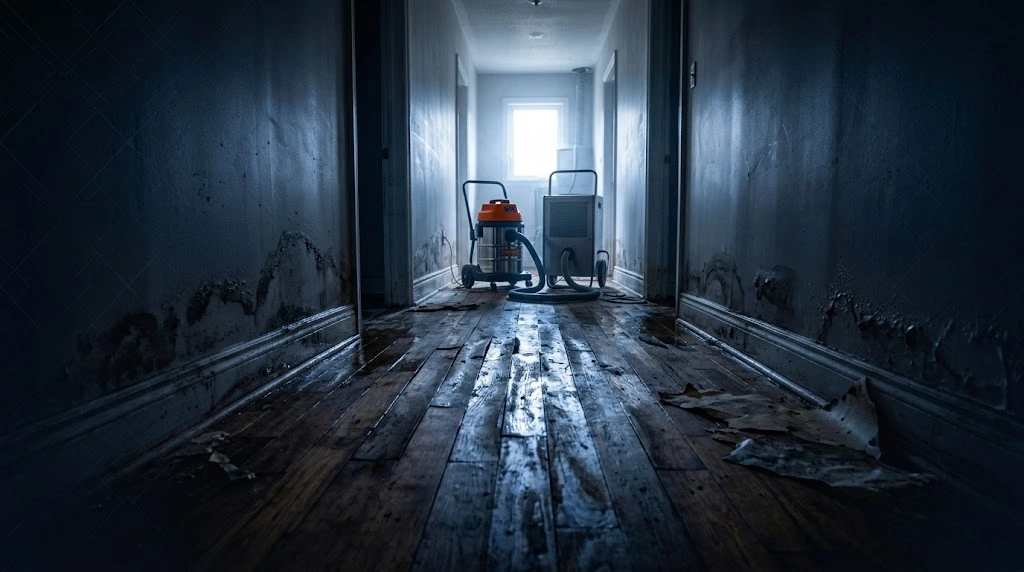
Water damage can extend far beyond the area where a leak or plumbing failure first occurred. Moisture can travel beneath flooring, behind walls, into insulation, and through other building materials, leaving damage that may not be immediately visible.
At OUTLX Public Adjusters, we represent homeowners and commercial property owners throughout Texas, helping them evaluate water damage, prepare detailed repair estimates, and navigate the insurance claims process.
UNDERSTANDING WATER DAMAGE
Water Doesn't Always Stop Where You Can See It
Water can migrate beneath finished flooring, enter wall cavities, affect insulation, and damage structural materials. The ability to accurately assess the loss requires understanding the source of the water, the materials affected, and the conditions necessary to properly dry and restore the structure.
Some materials may be suitable for drying and restoration, while others may require removal or replacement based on the extent of damage and the condition of the materials. At OUTLX, we base the scope of repairs on the actual conditions of the property rather than what is visible during an initial inspection.
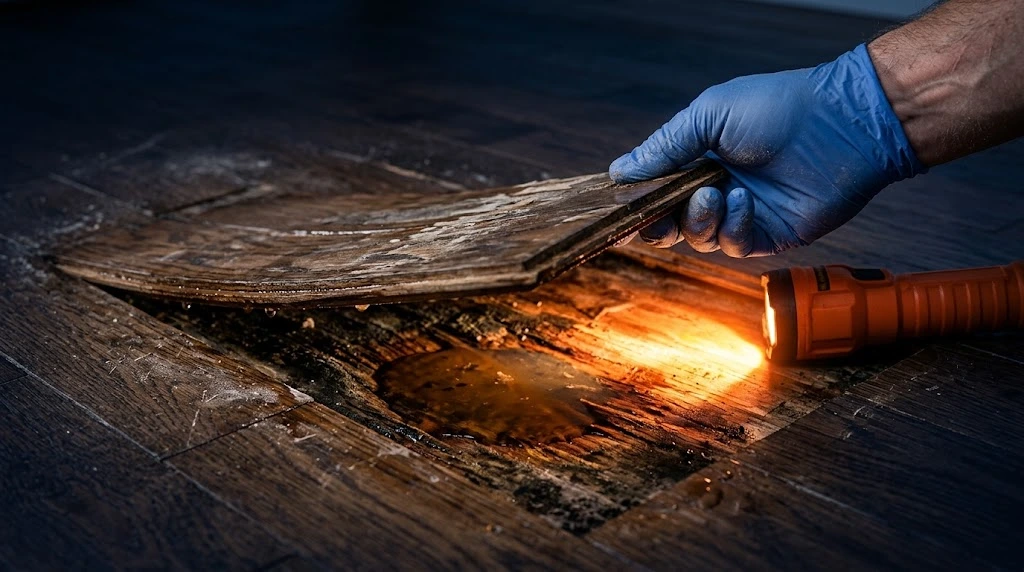
Flooring & Subflooring
Water may affect tile, hardwood, laminate, carpet, underlayment, and subfloor materials. The repair scope depends on the type of flooring, extent of damage, and installation method.
Walls, Ceilings & Insulation
Moisture can penetrate drywall, insulation, and concealed wall cavities. Additional inspection may be necessary to determine the extent of damage and whether materials can be properly restored.
Cabinets & Interior Finishes
Kitchen cabinets, bathroom vanities, baseboards, trim, and other finishes may be affected by moisture or by the removal of adjoining damaged materials.
Personal Property & Contents
Water damage can affect furniture, electronics, clothing, appliances, business equipment, and other belongings. These items may require cleaning, restoration, or replacement depending on their condition and applicable coverage.
WHY WATER DAMAGE CLAIMS MAY BE UNDERVALUED
An Incomplete Repair Scope Can Lead to an Inadequate Estimate
An insurance company's initial estimate is typically based on the information available during its inspection. However, water damage may involve concealed conditions or necessary repairs that are not fully apparent until damaged materials are removed.
Disagreements can arise regarding the extent of demolition, drying requirements, repair methods, and the replacement of affected building components.
At OUTLX, we evaluate these conditions and prepare detailed documentation explaining the scope of work being claimed.

Visible Flood Damage
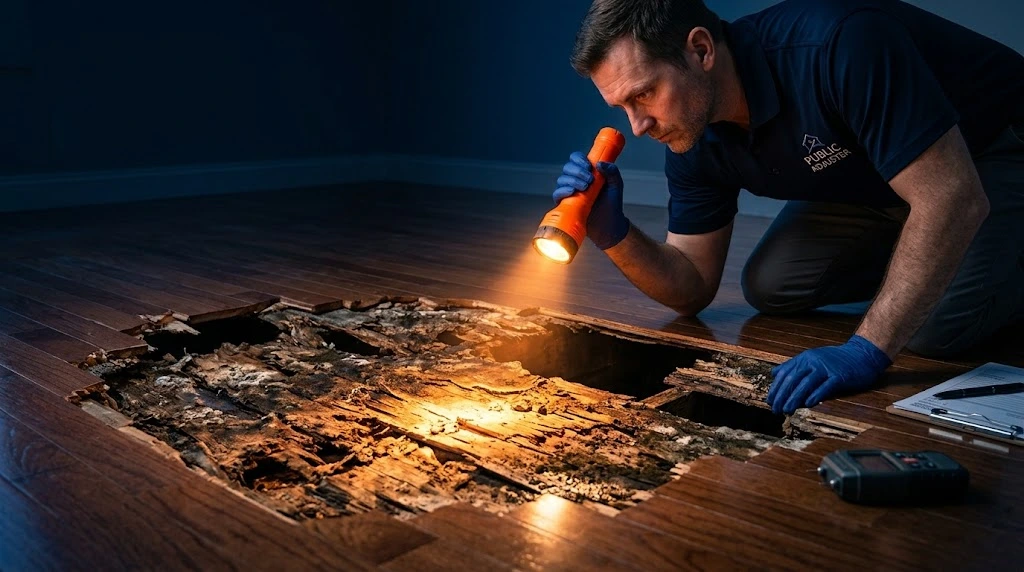
Additional Conditions
WATER MITIGATION VS. RECONSTRUCTION
Proper Water Damage Restoration Involves More Than Drying the Property
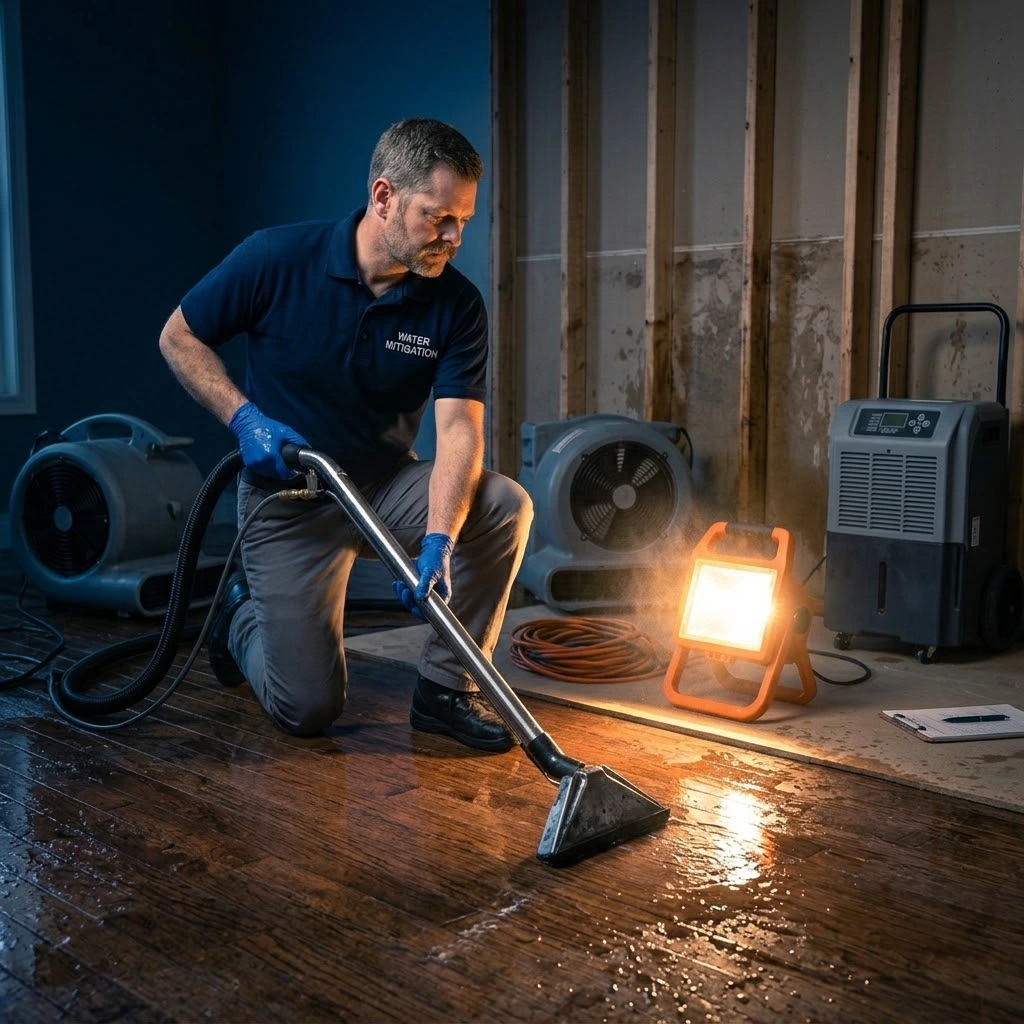
Water Damage Mitigation
Addressing Moisture and Affected Materials
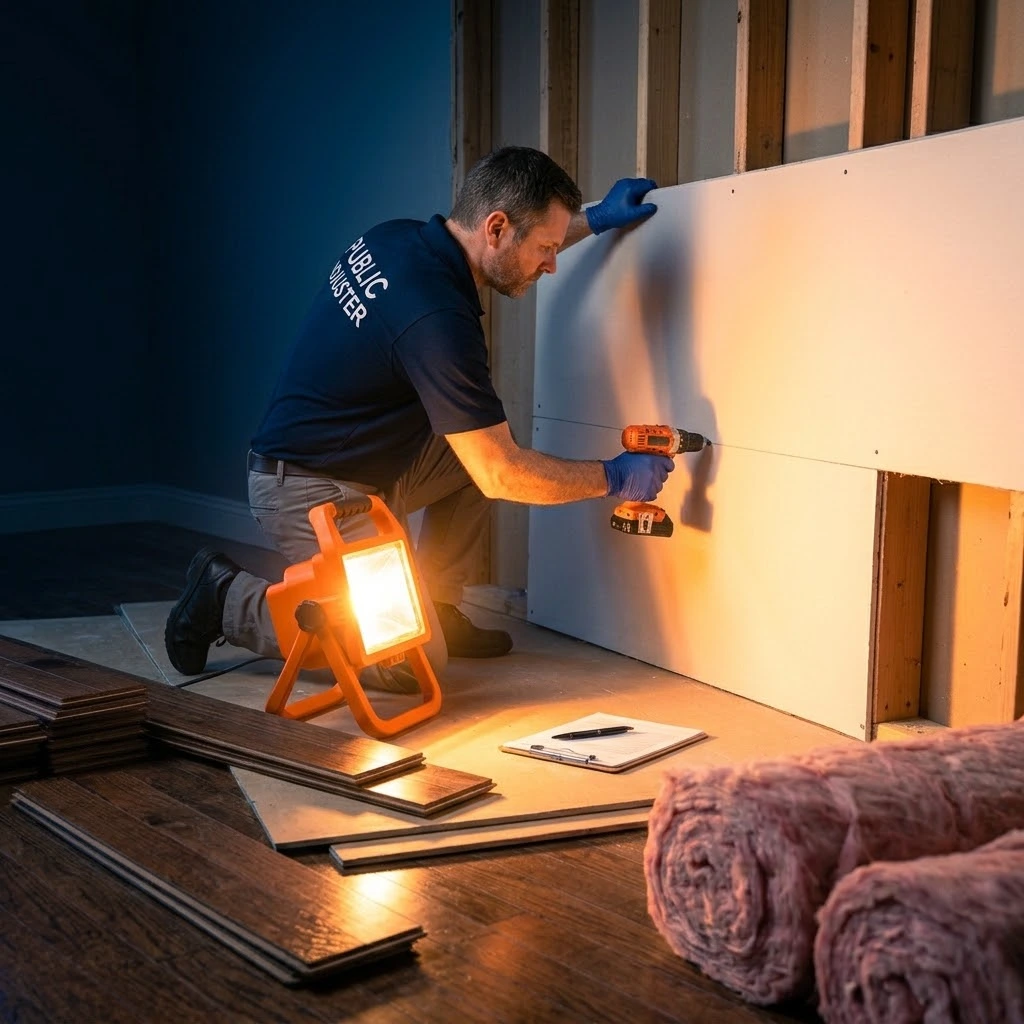
Reconstruction & Repairs
Restoring Damaged Building Components
Mitigation and reconstruction serve different purposes, but both must be considered when evaluating the cost of restoring a water-damaged property. The ANSI/IICRC S500 Standard for Professional Water Damage Restoration provides an industry framework for water damage assessment and restoration procedures. At OUTLX, we evaluate the documentation associated with both phases to identify potential discrepancies in the insurance estimate.
TYPES OF WATER DAMAGE CLAIMS
Water Damage Can Occur in Many Different Ways
Burst Pipes & Plumbing Failures
A sudden plumbing failure can release significant amounts of water into walls, ceilings, flooring, and other components.
Appliance & Equipment Leaks
Water heaters, washing machines, dishwashers, and other appliances can cause extensive damage when a hose, connection, or component fails.
Bathroom & Kitchen Water Losses
These losses may affect flooring, cabinetry, vanities, drywall, and adjoining finishes and can require evaluation of the existing construction.
Water From Roof or Building Openings
Water entering through a damaged roof or building opening may affect insulation, ceilings, walls, and interior finishes.
Important Coverage Consideration
Not all water damage is covered under every insurance policy. Many policies cover sudden and accidental water damage, while gradual leaks or seepage are often excluded.
RESIDENTIAL & COMMERCIAL FLOOD CLAIMS
Representing Homeowners and Commercial Property Owners
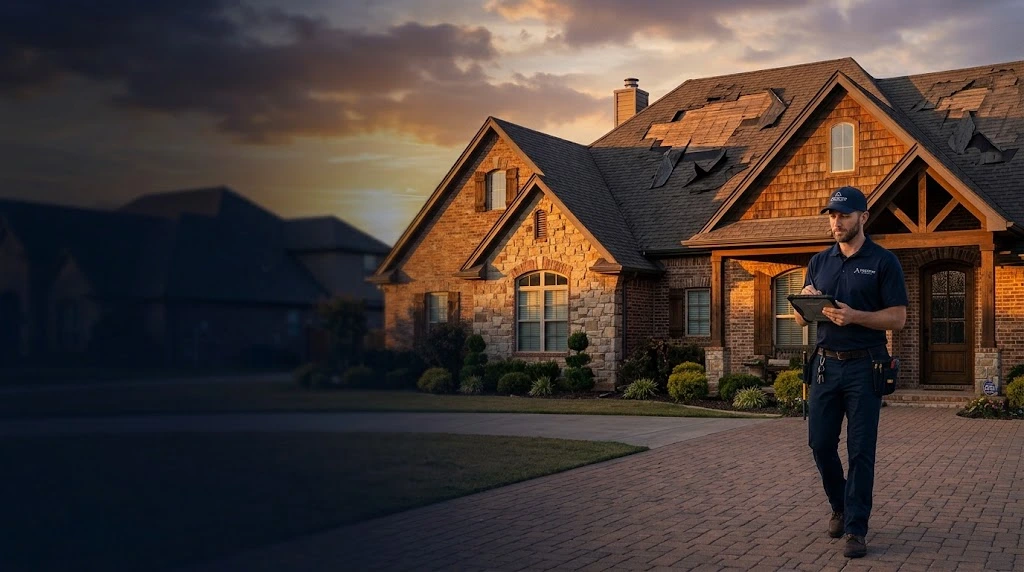
Residential Water Damage Claims
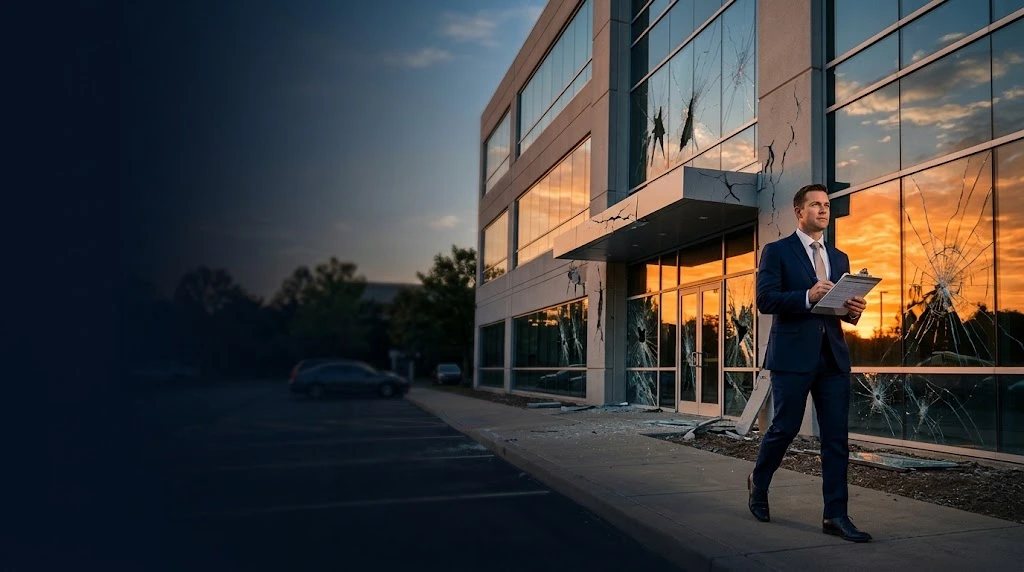
Commercial Water Damage Claims
RESIDENTIAL & COMMERCIAL WATER DAMAGE CLAIMS
Representing Homeowners More Than Building Repairs
Building or Dwelling
Covered damage to structural components and interior finishes.
Water Mitigation
Eligible extraction, demolition, drying, and related expenses.
Personal Property
Covered damage to furniture, electronics, equipment, and belongings.
Additional Living Expenses
Qualifying expenses when a home is uninhabitable.
Business Income
Covered income losses resulting from a qualifying interruption.
Extra Expense
Certain costs associated with maintaining or resuming operations.
HOW OUTLX HANDLES WATER DAMAGE CLAIMS
A Detailed Approach to Evaluating Water Losses
01
Damage Assessment
We inspect the property, document visible damage, and identify conditions that may require further investigation.
02
Estimate Preparation
We prepare detailed estimates supported by photos, measurements, and technical documentation.
03
Insurance Claim Review
We review the insurance company's estimate and policy provisions to identify differences.
04
Claim Presentation & Negotiation
We present our findings, communicate with the insurance company, and work toward resolving differences.
Yes. In Texas, you can hire a public adjuster at any point during the claims process. However, it is highly recommended to hire one before you sign a final settlement or release with your insurance company. A public adjuster can review the initial estimate, identify missing damages, and negotiate on your behalf before the claim is closed.
No. A public adjuster works exclusively for you (the policyholder). They are licensed and regulated by the Texas Department of Insurance, but they are independent contractors hired to represent your best interests. An insurance company has its own "staff adjuster" or "independent adjuster" whose job is to protect the insurance company's financial interests.
No. By law, a public adjuster cannot guarantee a specific settlement amount or promise a specific outcome. Every claim is unique and subject to the terms of your policy. However, a public adjuster's goal is to ensure that all covered damages are fully identified and documented, which often results in a more accurate and higher settlement offer than the initial estimate.
Public adjusters typically work on a contingency fee basis, meaning they do not get paid unless you get paid. In Texas, the standard fee is a percentage of the final settlement amount (usually between 10% and 15%, depending on the complexity of the claim). You pay nothing out of pocket upfront.