- TEXAS FIRE & SMOKE DAMAGE CLAIMS
Fire & Smoke Damage Insurance
Claims in Texas
- The Damage Doesn't Always End Where the Fire Stops.
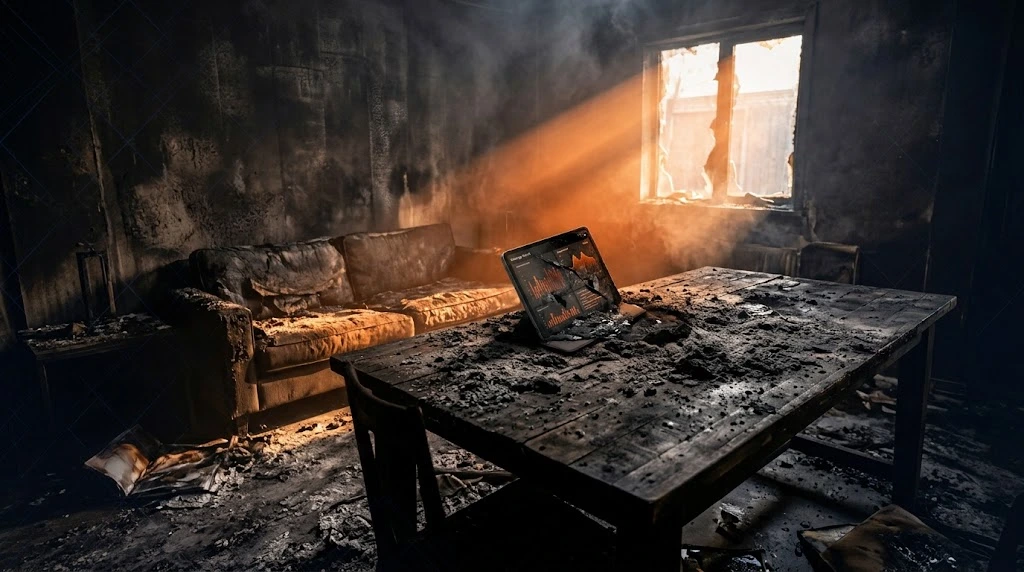
A fire can cause devastating damage to a home or commercial property. While some damage is immediately visible, smoke, soot, heat, and firefighting efforts can affect areas far beyond the origin of the fire.
At OUTLX Public Adjusters, we represent residential and commercial property owners throughout Texas, helping them evaluate fire-related damage, prepare detailed restoration estimates, and navigate the insurance claims process.
- REAL FIRE RESPONSE FOOTAGE
When the Fire Is Out, The Damage May Remain.
A fire can destroy a property in minutes, but the damage often extends far beyond what is immediately visible. Smoke, soot, heat, and firefighting efforts can affect structural components, building systems, and personal belongings throughout the property.
At OUTLX Public Adjusters, we understand that evaluating a fire loss requires more than documenting what burned. It requires understanding how the damage occurred, where contamination may have spread, and what it will take to properly restore the property.
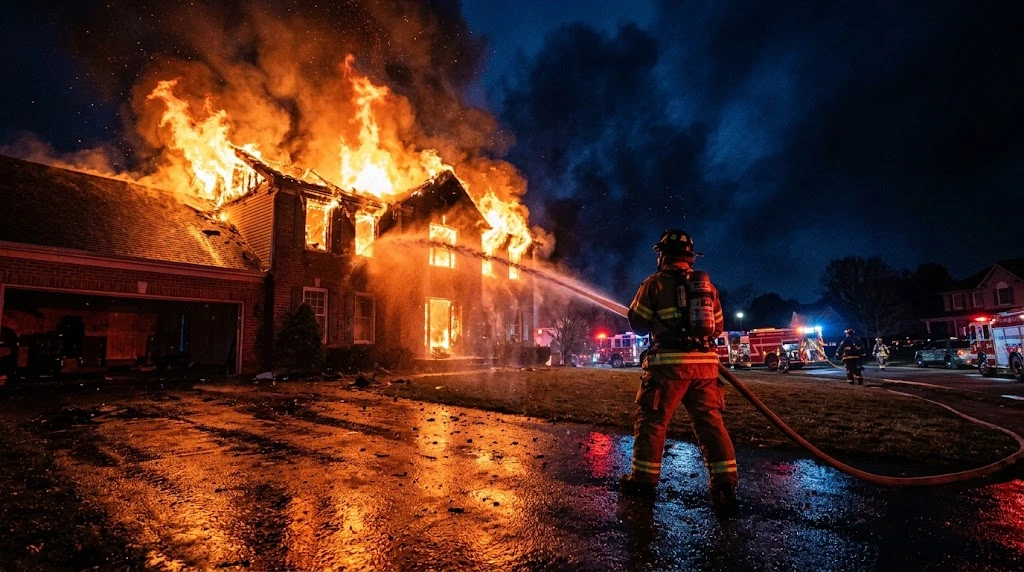
Residential Fire Response
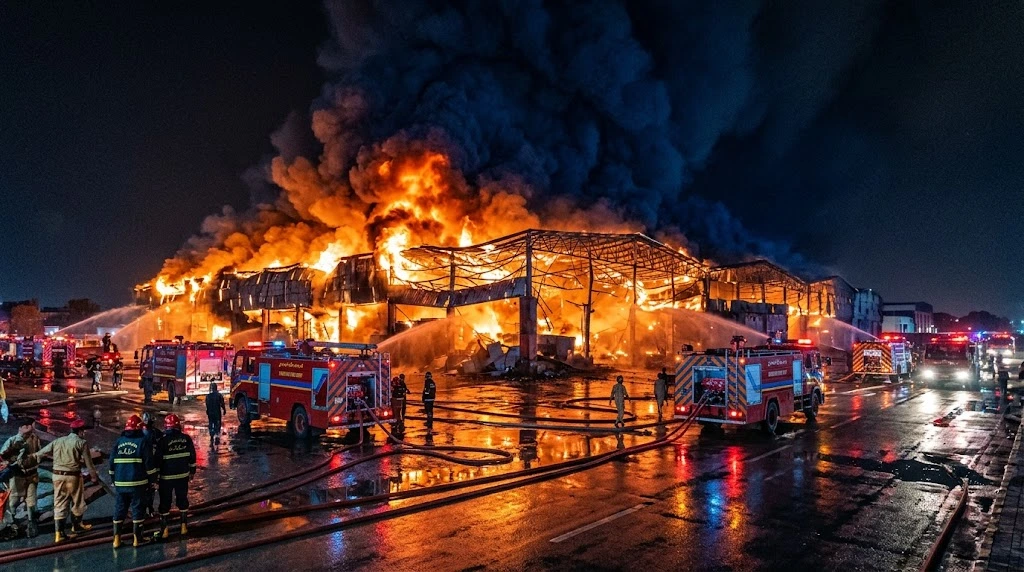
Commercial Fire Response
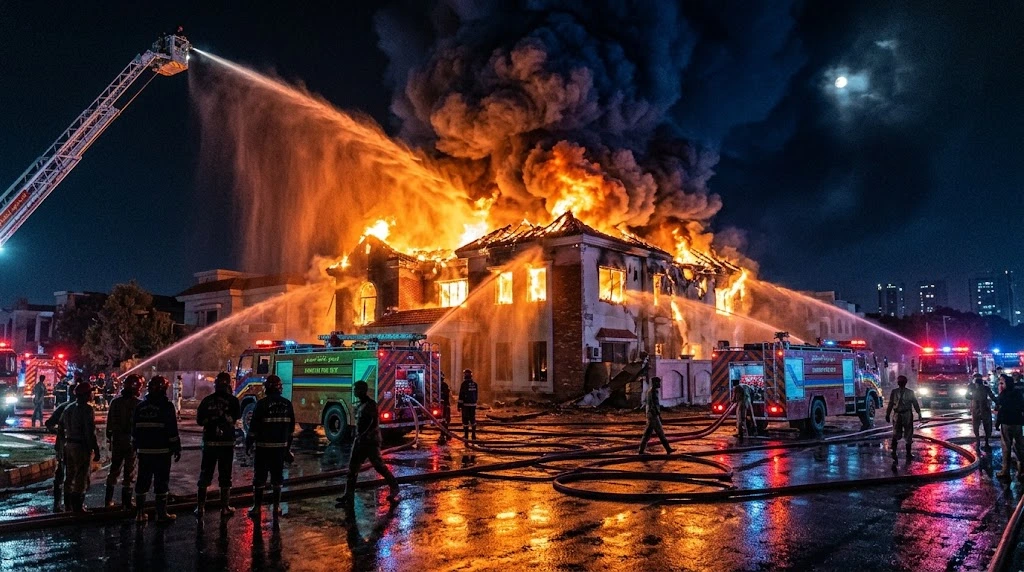
Structure Fire – Night Response
Actual fire department footage. Our team subsequently represented a policyholder affected by one of the incidents shown.

- UNDERSTANDING FIRE DAMAGE
Fire Damage Extends Beyond What You Can See
Structural Fire Damage
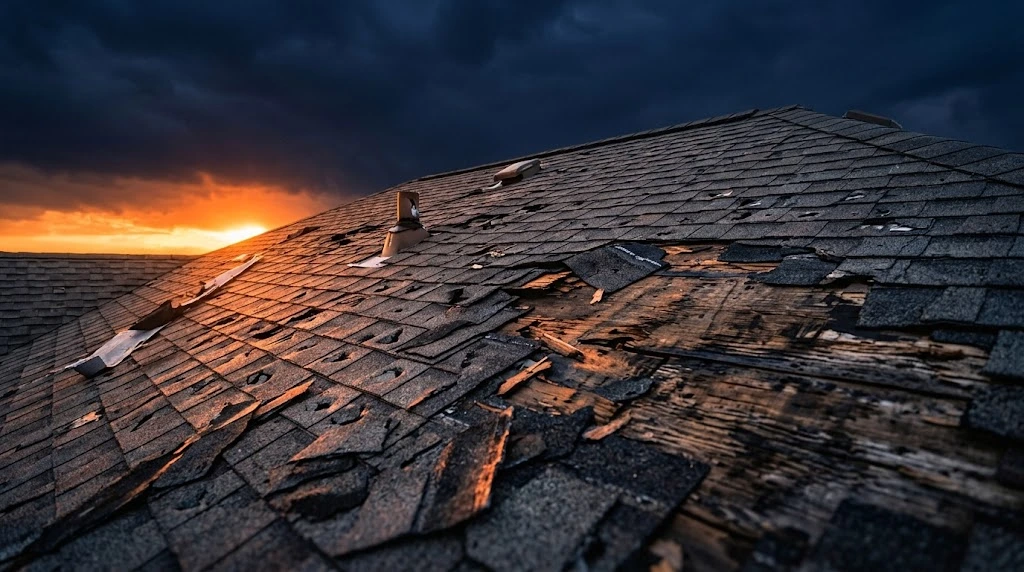
Fire and excessive heat can damage roof decking, framing, insulation, drywall, and other building components. Some materials may require further evaluation to determine the appropriate repair or replacement.
Smoke & Soot Contamination
Smoke and soot can travel far beyond the immediate fire area and deposit on exposed surfaces or within concealed spaces. Proper assessment is necessary to determine the extent of contamination and the appropriate restoration procedures.
HVAC & Building Systems
Smoke and fire residues may affect HVAC equipment, ductwork, electrical components, and other building systems. Qualified specialists may be needed to evaluate the extent of damage and appropriate corrective measures.
Personal Property & Contents
Furniture, clothing, electronics, appliances, equipment, and other personal property may be affected by heat, smoke, soot, or water used during firefighting. These items require appropriate documentation and evaluation.
WHAT CAN BE OVERLOOKED IN A FIRE DAMAGE CLAIM?
The Importance of a Complete Fire Damage Assessment
An insurance company's initial inspection may not reveal every condition affecting a fire-damaged property.
These differences may involve:
- Fire-damaged framing, roof decking, and concealed components
- Smoke and soot residues within wall cavities, attic spaces, and ducts
- Insulation and materials affected by fire residues
- HVAC systems and related mechanical components
- Materials requiring specialized cleaning or removal
- Personal property that was damaged or omitted from an inventory
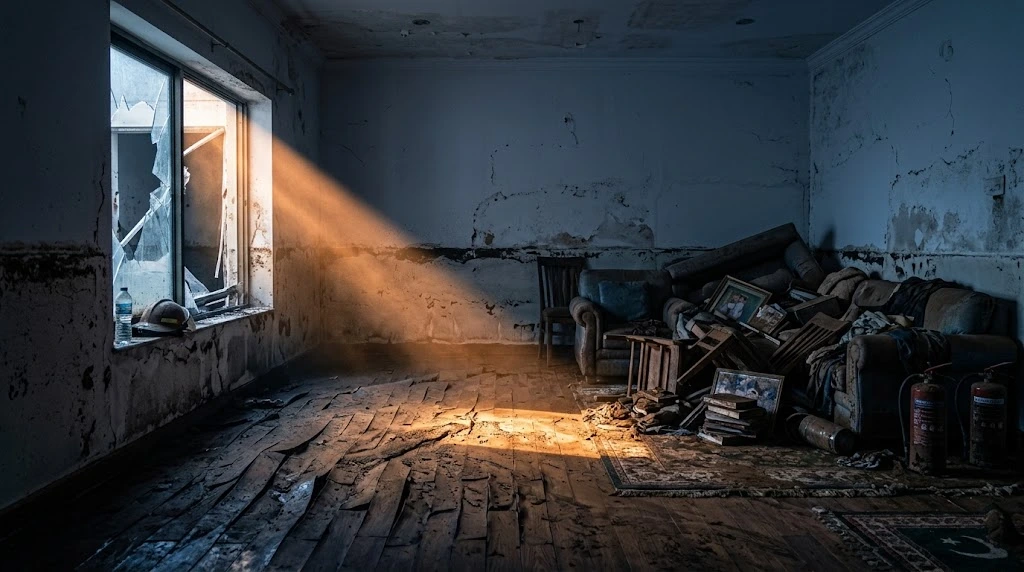
Visible Flood Damage

Additional Conditions
MITIGATION VS. RECONSTRUCTION
Proper Fire Restoration Begins With Understanding the Damage
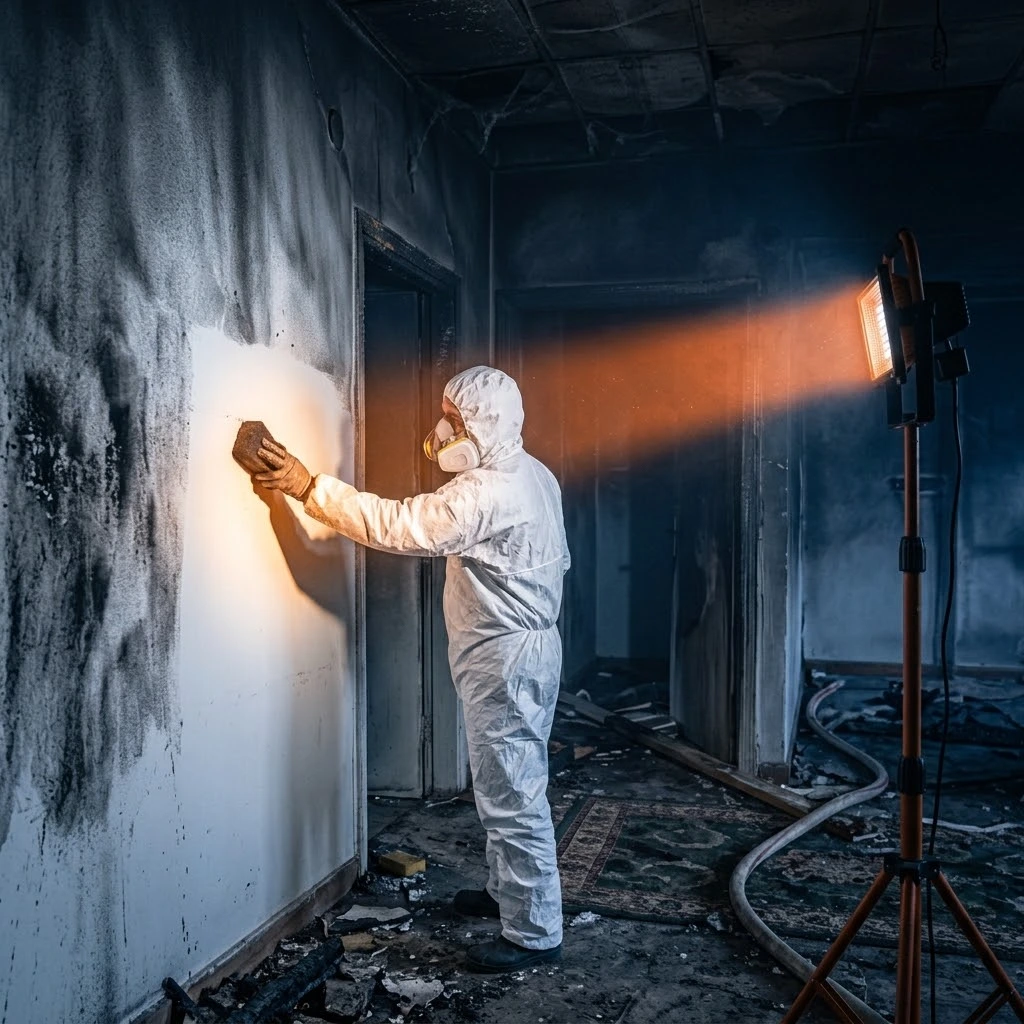
Fire Damage Mitigation & Cleaning
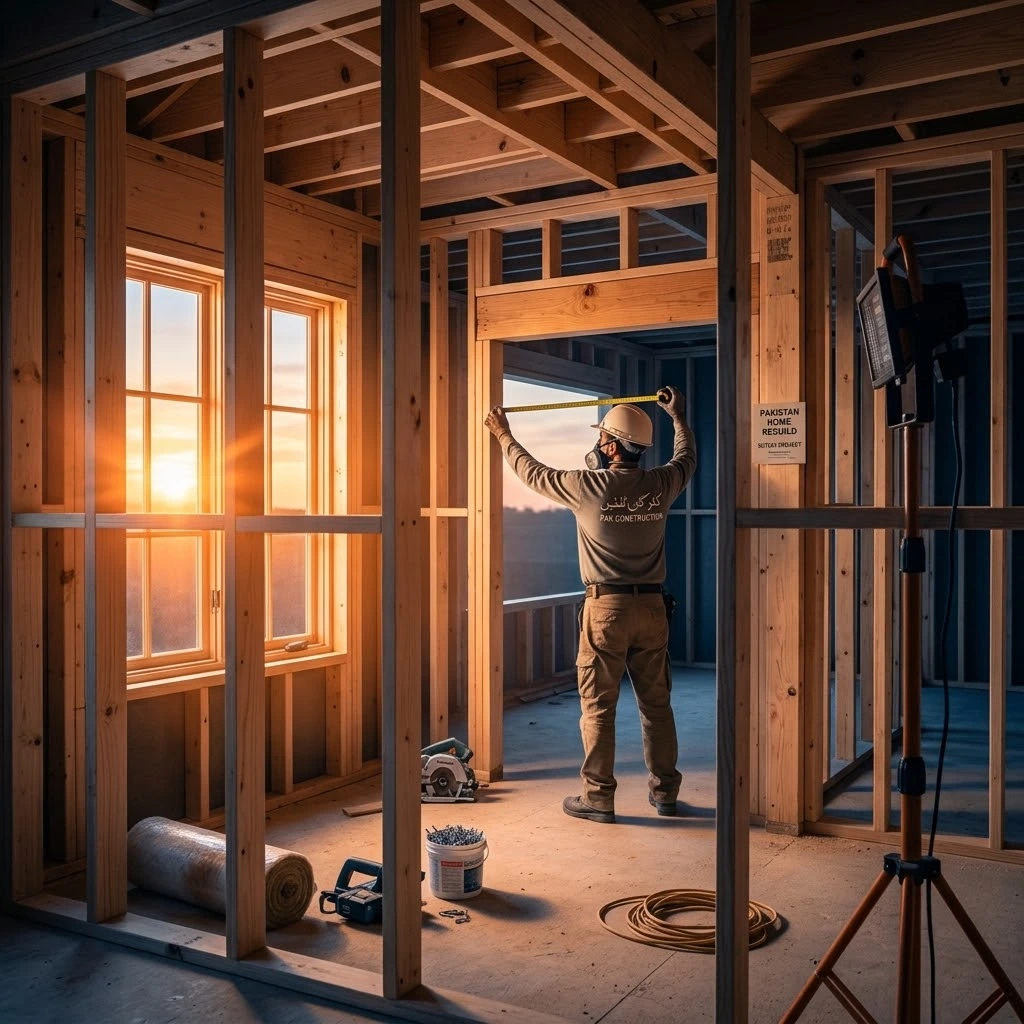
Structural Repairs & Reconstruction
Involves restoring the building components damaged by the fire, including framing, roofing, drywall, electrical systems, insulation, HVAC, flooring, cabinetry, and interior finishes. The appropriate scope depends on the property’s actual conditions and applicable construction requirements.
RESIDENTIAL FIRE DAMAGE CLAIMS
Helping Homeowners Rebuild
COMMERCIAL FIRE DAMAGE CLAIMS
Supporting Businesses After a Fire

ADDITIONAL COVERAGES AFTER A FIRE
A Fire Loss May Involve More Than Building Repairs
Depending on the policy and circumstances, a fire loss may involve additional coverage provisions.
Dwelling or Building Coverage
Covered damage to the structure and building components.
Personal Property or Business Contents
Covered damage to furniture, equipment, inventory, and other belongings.
Additional Living Expenses
Eligible expenses when a residence is unhabitable.
Business Income
Covered loss of income from a qualifying interruption.
Extra Expense
Certain additional expenses to maintain or resume operations.
Debris Removal
Eligible costs for removing covered damaged materials.
Ordinance or Law
Certain additional costs to comply with applicable building codes.
HOW OUTLX HANDLES FIRE DAMAGE CLAIMS
A Detailed Approach to Evaluating Fire Losses
01
Property Inspection & Damage Assessment
We inspect the property to identify visible damage, evaluate smoke migration, and determine if additional assessments are necessary.
02
Estimate Preparation & Documentation
We prepare detailed estimates supported by photographs, measurements, and technical documentation.
03
Insurance Claim Review
We review the insurance company's findings and policy provisions to identify differences requiring further consideration.
04
Claim Presentation & Negotiation
We present our findings to the insurance company and work toward resolving differences in the scope and valuation of the claim.
Yes. In Texas, you can hire a public adjuster at any point during the claims process. However, it is highly recommended to hire one before you sign a final settlement or release with your insurance company. A public adjuster can review the initial estimate, identify missing damages, and negotiate on your behalf before the claim is closed.
No. A public adjuster works exclusively for you (the policyholder). They are licensed and regulated by the Texas Department of Insurance, but they are independent contractors hired to represent your best interests. An insurance company has its own "staff adjuster" or "independent adjuster" whose job is to protect the insurance company's financial interests.
No. By law, a public adjuster cannot guarantee a specific settlement amount or promise a specific outcome. Every claim is unique and subject to the terms of your policy. However, a public adjuster's goal is to ensure that all covered damages are fully identified and documented, which often results in a more accurate and higher settlement offer than the initial estimate.
Public adjusters typically work on a contingency fee basis, meaning they do not get paid unless you get paid. In Texas, the standard fee is a percentage of the final settlement amount (usually between 10% and 15%, depending on the complexity of the claim). You pay nothing out of pocket upfront.