- OUR PUBLIC ADJUSTING PROCESS
A Sworn Proof of Loss: Why Properly Documenting Your Claim Matters
- An Insurance Estimate Is Not the Same as a Formal Statement of Your Loss.
When property damage occurs, your insurance company will generally investigate the loss and prepare an estimate of what it believes the necessary repairs should cost. But what happens when that estimate doesn't account for the full extent of the damage?
At OUTLX Public Adjusters, we believe policyholders should understand the importance of formally documenting their losses and clearly identifying the amounts they are claiming.
WHAT IS A SWORN PROOF OF LOSS?
Understanding What You're Actually Claiming
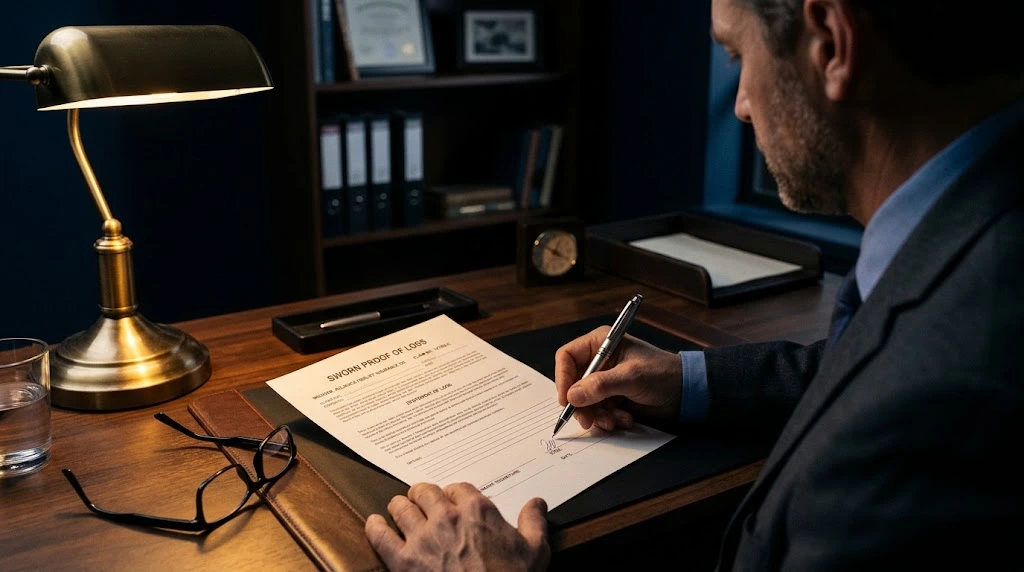
An insurance company's estimate represents its assessment of the loss. A sworn proof of loss is a formal statement made by the policyholder identifying information about the loss and, typically, the amount being claimed under the insurance policy.
Depending on the policy, it may include information about the property, circumstances of the loss, damaged items, claimed amounts, and other relevant details. The document is generally signed and sworn to by the insured when required by the policy.
A sworn proof of loss does not automatically establish that the insurance company owes the amount requested. However, it formally documents the policyholder's claimed loss.
CONTRACTOR ESTIMATE VS. SWORN PROOF OF LOSS
There Is a Difference Between Estimating Damage and Formally Presenting a Claim

Contractor Estimate
- Identifies anticipated repair costs
- Prepared by a contractor or estimator
- Describes materials, labor, and repairs
- Can support an insurance claim
- Generally does not include a sworn declaration
- Provides supporting valuation evidence

Sworn Proof of Loss
- Formally states information about the insured's loss and amount claimed
- Executed by the insured or authorized claimant as required
- Contains statements required by the applicable policy
- May satisfy specific proof-of-loss requirements when properly completed
- Includes sworn certification when required
- Documents the policyholder's formal claim presentation
WHY THE DOCUMENTATION MATTERS
A Claim Should Be Supported by More Than an Estimated Number

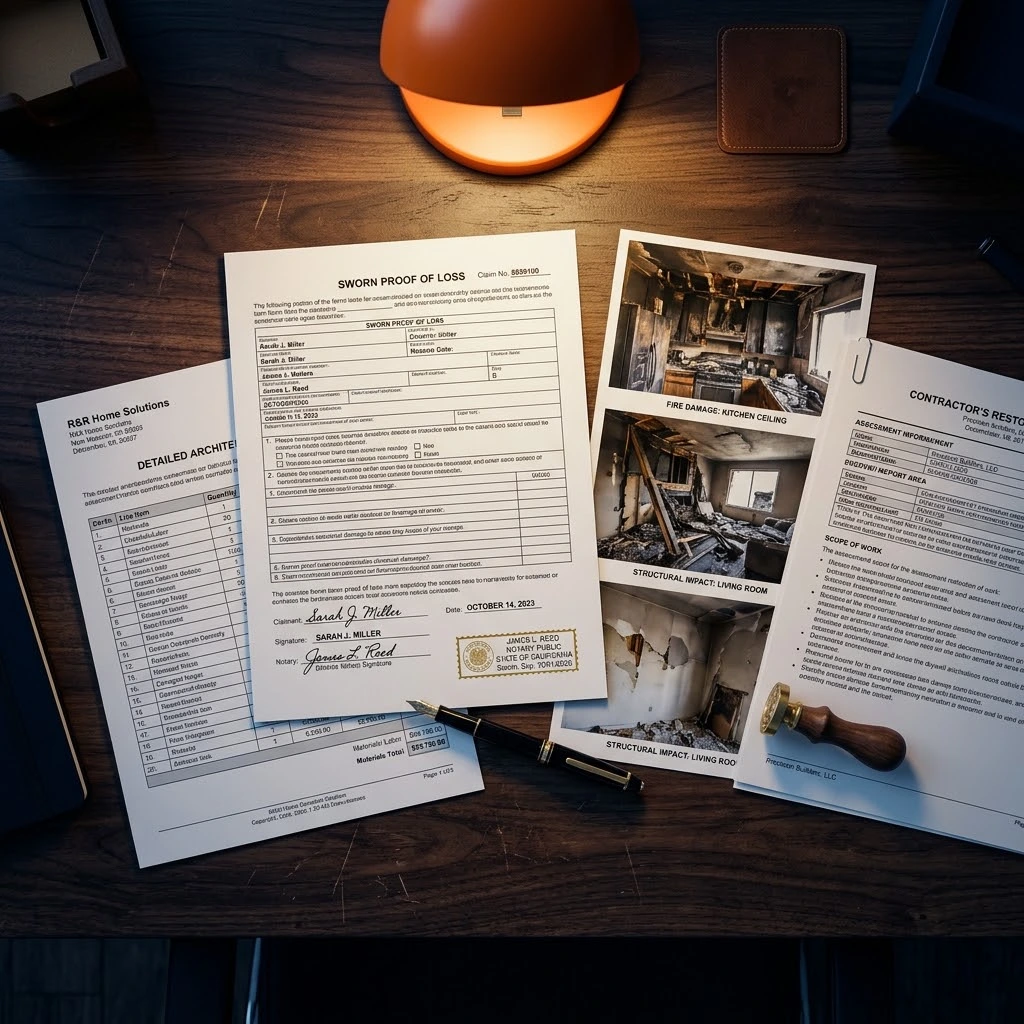
- A properly completed sworn proof of loss
- A detailed repair estimate identifying the scope and amount being claimed
- Photographs and supporting inspection findings
- Relevant contractor estimates and restoration reports
- Personal property inventories and valuations
- Additional documentation supporting the claimed damages
- Correspondence identifying the claim, submitted materials, and requested response
“
We submit what we can support.
OUTLX
THE 15-BUSINESS-DAY REQUIREMENT
Understanding the Insurance Company's Obligations
Notice of Claim Submitted
Investigation & Information Requests
All Required Documentation Received
Written Claim Decision
15 Days
15 Business Days
Note: Exceptions and extensions may apply. The specific requirements depend on the type of policy and the circumstances of the claim.
POLICYHOLDER RESPONSIBILITIES
Your Duties After Loss Are Part of the Claims Process
Provide Timely Notice
Notify the insurance company of the loss as required by your policy.
Protect the Property
Take reasonable steps to prevent additional damage.
Cooperate With the Investigation
Respond to reasonable requests for information and attend inspections when required.
Provide Documentation
Submit a sworn proof of loss when required, along with other requested information.
BEFORE THE DISPUTE ESCALATES
Build the Claim Before Escalating the Disagreement
Yes. Receiving a payment does not necessarily mean you have accepted the settlement or that the claim is closed. If you believe the payment does not reflect the full amount of loss, you may still be able to invoke the appraisal provision in your policy.
No. Appraisal is generally intended to resolve disputes over the amount of a covered loss. It does not determine whether the insurance policy actually provides coverage for the damage in the first place. Coverage disputes are typically handled separately
Under most policies, each party pays for their own appraiser. The cost of the umpire (if one is needed) is usually split equally between the policyholder and the insurance company.
No. Appraisal results in an award determining the amount of loss, but it cannot guarantee a specific payment amount. The final payment will depend on the appraisal award, your policy limits, your deductible, and any prior payments made by the insurer.